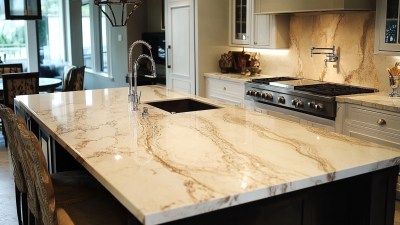
What is Granite Fabrication and How Does it Work?
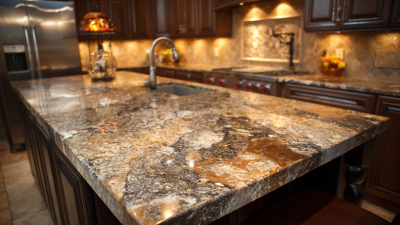
Granite Fabrication is an intricate process that transforms raw granite into beautiful, polished surfaces. This process involves cutting, shaping, and finishing granite slabs to create countertops, tiles, and other features. It requires specialized tools and skilled artisans who understand the nuances of this durable stone.
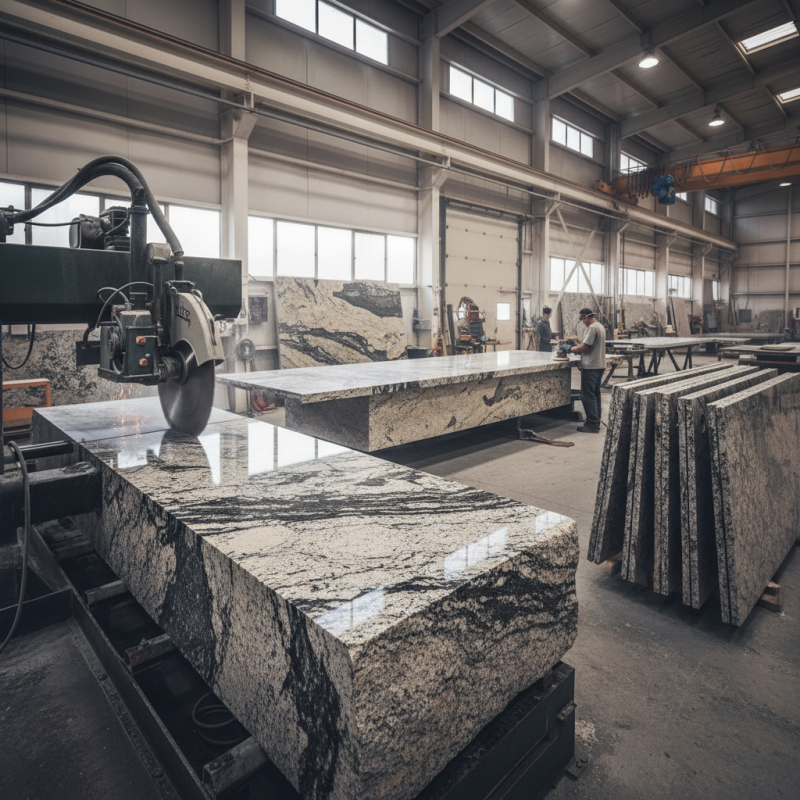
The journey of granite begins in quarries. Large blocks are extracted from the earth. Then, these blocks are transported to fabrication facilities, where precision is key. Machines cut the granite into smaller pieces. Careful measurements ensure every item fits perfectly in its designated space. This stage is both art and science. Mistakes can be costly, underscoring the importance of expertise.
Moreover, the finishing touches play a crucial role in Granite Fabrication. Polishing creates a smooth, shiny surface, highlighting the stone's natural beauty. However, imperfections may arise, prompting artisans to adapt and refine their techniques. This ongoing challenge exemplifies the dedication in the craft. Understanding Granite Fabrication reveals its complexity and the craftsmanship behind each piece.
Overview of Granite and Its Properties
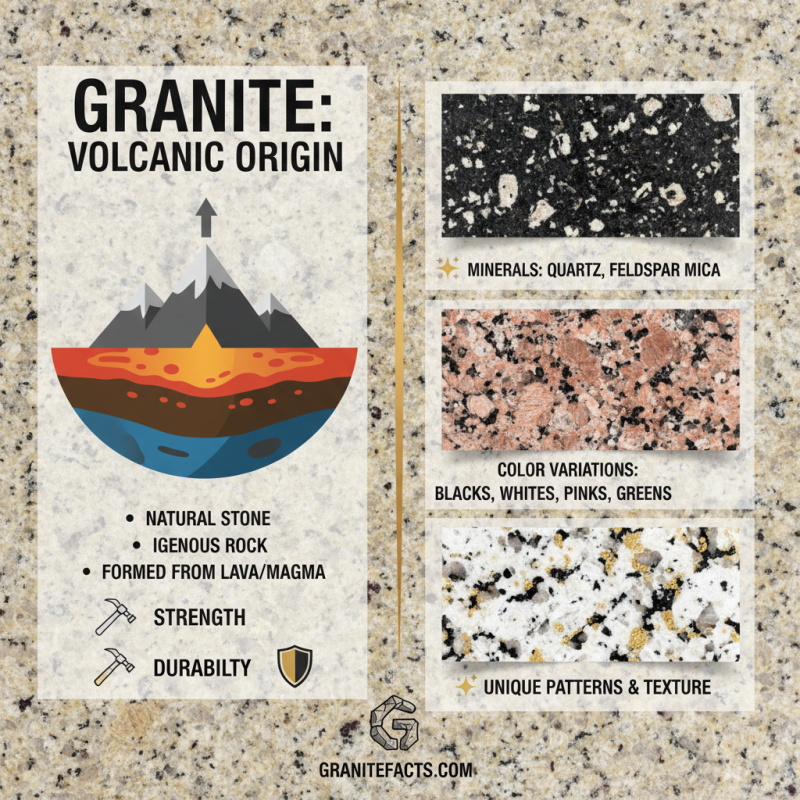
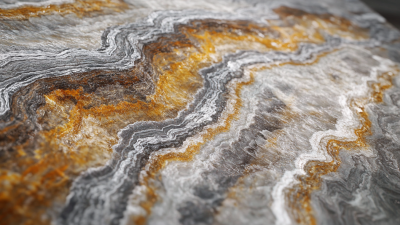
Granite is a natural stone formed from volcanic activity. Its unique composition gives it strength and durability. This igneous rock consists mainly of quartz, feldspar, and mica. Such minerals contribute to its beautiful, varied appearance. The colors range from deep blacks to light whites, with intricate patterns.
One notable property of granite is its resistance to scratching and heat. It can withstand high temperatures, making it ideal for kitchen countertops. However, granite can be porous. This means it can absorb liquids if not properly sealed. Homeowners may find staining a concern if spills occur and aren't cleaned quickly.
Beyond its practicality, granite offers visual appeal. Each slab is distinctive, reflecting the Earth's geological history. Still, the weight of granite can pose installation challenges. Precise measurements are essential during fabrication. Mistakes can lead to costly adjustments. Each piece requires careful handling to avoid cracks or chips. Thus, professionals must be vigilant during the cutting and polishing processes.
The Granite Fabrication Process: An Overview
Granite fabrication involves transforming raw granite blocks into beautiful, functional surfaces. The process begins with selecting high-quality granite. This is crucial, as the stone's color and pattern will dictate the final product. Craftsmen inspect each slab for flaws, ensuring only the best are chosen.
Once the granite is selected, the cutting process begins. Large blocks are sliced into manageable slabs. Precision is key here, but mistakes can happen. Sometimes, a slab may crack during cutting, which can be frustrating. It's essential to handle the stone carefully to avoid such mishaps.
After cutting, the slabs are polished. This step reveals the natural beauty of the granite. However, achieving a flawless shine is challenging. Differing stone densities can lead to uneven surfaces. Workers must pay attention to detail, as even the smallest imperfection can affect the final outcome. Fabricators often need to adjust their techniques based on the stone's characteristics. It’s a mix of skill and creativity, resulting in unique pieces.
What is Granite Fabrication and How Does it Work? - The Granite Fabrication Process: An Overview
| Step |
Description |
Tools/Equipment Used |
Duration |
| 1 |
Material Selection |
Granite Slabs |
N/A |
| 2 |
Cutting |
Diamond Blade Saw |
1-2 hours |
| 3 |
Edging |
Router, Polishing Tools |
2-3 hours |
| 4 |
Polishing |
Grinding Pads |
3-5 hours |
| 5 |
Installation |
Crane, Adhesives |
1 day |
| 6 |
Sealing |
Sealants |
1 hour |
Essential Tools and Equipment in Granite Fabrication
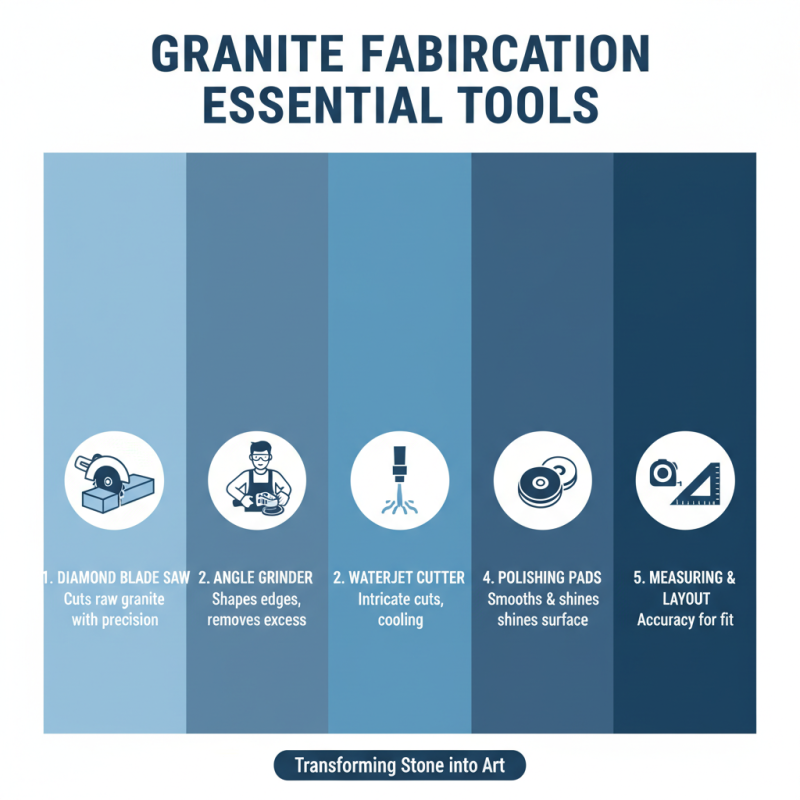
Granite fabrication requires a set of essential tools and equipment. These tools enable artisans to transform raw granite blocks into beautiful countertops or tiles. One of the most basic tools is a diamond blade saw. This saw cuts through granite with precision. Its design ensures a clean finish, but it can also splinter the stone if not handled carefully.
Another critical piece of equipment is the grinding machine. It smooths out the edges of the granite. The grinding process can create a polished surface, but achieving the perfect sheen takes practice. Sometimes, mistakes happen, leading to uneven surfaces. This can frustrate fabricators, reminding them that patience is crucial.
Water jets are also commonly used. They help in cutting intricate shapes without damaging the stone. However, misalignment can result in wasted materials. Fabricators often learn the hard way to double-check their measurements. Each tool plays a vital role. Yet, using them effectively demands skill and experience.
Steps in the Granite Cutting and Shaping Process
Granite fabrication involves several steps to transform raw stone blocks into finished products. The process begins with block selection. Each granite block varies in color, grain, and quality. Choosing the right block is crucial. For instance, a study shows that about 30% of quarried granite is unsuitable for high-end projects due to flaws.
Once the right block is chosen, cutting begins. A diamond wire saw is typically used. This saw cuts through the granite with precision, minimizing waste. The average cutting speed can reach up to 30 linear meters per hour. After cutting, the slabs are polished. Polishing enhances the stone's natural beauty. It also helps to prepare the granite for installation, making it shine. This step, however, can occasionally reveal imperfections that require further attention.
Shaping follows polishing. This is where detailed designs emerge. CNC machines play a significant role here. They provide accuracy and reduce manual labor. Yet, mistakes can happen. Occasionally, design inconsistencies arise. Such flaws often add time to the project timeline. Each of these steps demands meticulous care to ensure a flawless final product. However, reflecting on these processes reveals room for improvement in efficiency and quality control.
Finishing Techniques for Granite Products
Granite fabrication involves several techniques that enhance the natural beauty of the stone. Finishing techniques are crucial in determining the final look of granite products. Common methods include polishing, honing, and flaming. Each method highlights different textures and styles. A polished finish gives a shiny surface, while honed granite offers a softer, matte appearance.
When deciding on a finish, consider the intended use. For countertops, a polished finish is popular due to its elegance. However, hone finishes can reduce the appearance of scratches. Tips: Always test finishes on a small granite sample first. This will help you visualize how the final product will appear.
Another technique is flaming, which creates a textured surface. This method is particularly useful for outdoor applications, as it provides slip resistance. Emerging trends suggest experimenting with textures can yield unforeseen results. Keep in mind that not every finish will fit every granite type. Tips: Document your projects and note which finishes worked best. Reflection is key in perfecting your technique.
Granite Fabrication Processes