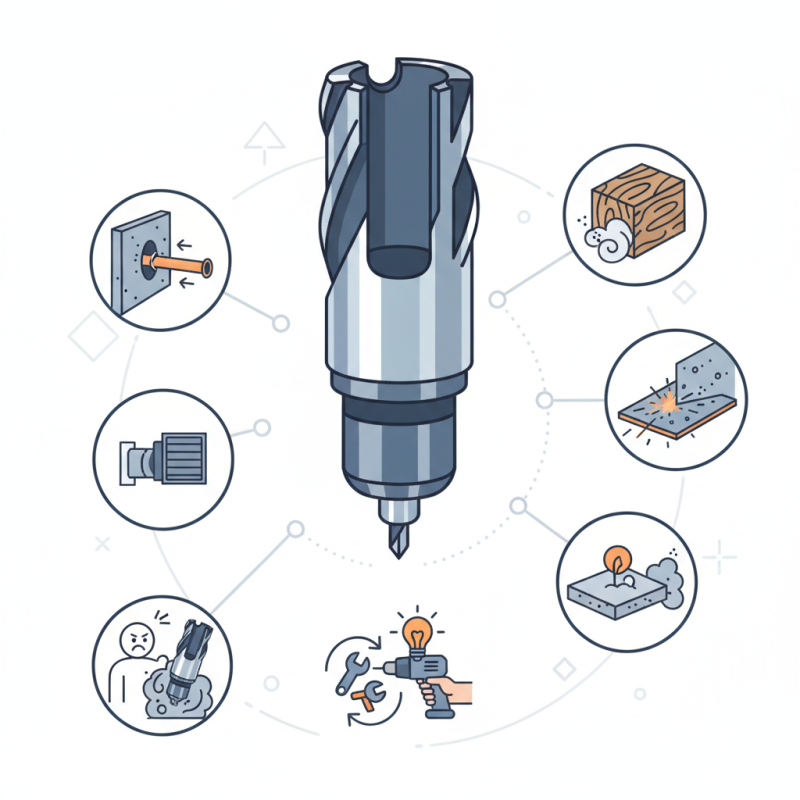
What is a Hollow Bit and How is it Used in Drilling?
A Hollow Bit is a specialized tool used in drilling applications. It has a unique design that creates cylindrical holes. This tool is essential for various tasks, such as creating spaces for pipes or ducts.
Many industries rely on Hollow Bits for their efficiency. They cut through materials like wood, metal, and concrete with precision. However, using a Hollow Bit isn’t always straightforward. Operators must consider the bit's size and material compatibility. There are also moments of frustration when the bit gets stuck or clogs.
Understanding the Hollow Bit's design and usage is vital for success. Its hollow center allows for debris removal during drilling, enhancing performance. Yet, improper handling can lead to damage or ineffective results. Learning how to use it correctly may require practice and adjustments, reflecting the learning curve faced by many.
Definition of a Hollow Bit and Its Key Features
A hollow bit is a type of drill bit designed for specific drilling tasks. Its main feature is a cylindrical shape with a hollow shaft. This allows it to remove material from the center while leaving a clean, cylindrical hole. These bits are not just functional; they also create precise openings. Many industries use them, particularly in construction and woodworking.
One key advantage of hollow bits is their efficiency. They can quickly create a hole without excessive debris. This is especially important when working with materials like metal or hardwood. However, using a hollow bit requires skill. Misalignment can lead to uneven cuts. Inadequate pressure may result in incomplete holes. Users must continuously adjust their technique for optimal results. Practicing with hollow bits can lead to improved precision over time.
Types of Hollow Bits Used in Drilling Applications
Hollow bits play a crucial role in various drilling applications. These bits are designed with a cylindrical shape, allowing for the extraction of core samples while drilling. They are particularly effective in geomapping and geological exploration. The sample obtained is essential for understanding soil composition and material strength.
Several types of hollow bits exist. Core bits, for example, are widely used in mineral exploration. According to industry reports, using diamond-tipped core bits can enhance drilling efficiency by 30% compared to traditional methods. On the other hand, auger bits are often employed in soil testing. They provide a reliable way to collect soil samples for environmental assessments. Each type caters to specific drilling needs, ensuring precision and effectiveness.
**Tips:** Choose the right hollow bit based on your project requirements. Consider factors like material type and desired sample size. Always inspect bits before use. Regular maintenance extends their lifespan. Drill responsibly to minimize environmental impact.
What is a Hollow Bit and How is it Used in Drilling? - Types of Hollow Bits Used in Drilling Applications
| Type of Hollow Bit | Diameter Range (inches) | Material | Common Applications |
| Diamond Hollow Bit | 1 - 8 | Diamond Coated | Core drilling in hard rock |
| Carbide Hollow Bit | 1/2 - 6 | Carbide Steel | Wood and metal drilling |
| SDS Plus Hollow Bit | 3/4 - 2 | HSS (High-Speed Steel) | Light masonry and concrete |
| Auger Hollow Bit | 2 - 10 | Carbon Steel | Agricultural and landscaping applications |
| Twist Hollow Bit | 3/8 - 3 | High-Speed Steel | General drilling in wood and soft materials |
How Hollow Bits Operate in Different Drilling Contexts
Hollow bits play a crucial role in various drilling contexts. These specialized tools are designed to create holes while allowing for the removal of debris through the center. This is especially useful in applications like oil drilling, construction, and geological exploration. According to a report by the International Association of Drilling Contractors, hollow bits can improve drilling efficiency by up to 30% in certain conditions.
In geological settings, hollow bits are often used to collect core samples. This requires precision and appropriate bit selection based on the type of rock being drilled. For hard rock formations, diamond-studded hollow bits are preferred. Conversely, softer formations might necessitate carbide-tipped hollow bits. Each scenario comes with unique challenges, such as increased wear and tear on the tool. It's crucial to assess these factors to minimize downtime and optimize performance.
Tip: Regular maintenance of hollow bits is essential. Inspect them for wear before use to prevent unexpected breakdowns.
While the efficiency of hollow bits is notable, not every drill site will yield ideal results. Factors like soil composition and water saturation can affect performance. Checking geological surveys before selecting a bit can save time and resources.
Tip: Always consider the environmental impact before drilling. Responsible practices contribute to sustainability.
Benefits of Using Hollow Bits Over Traditional Drill Bits
Hollow bits are a unique type of drill bit designed for specific applications. These bits feature a hollow center, allowing for material removal while drilling. This design enhances efficiency, especially in tough materials. When using hollow bits, operators can extract debris more effectively, leading to cleaner holes and improved performance.
One major benefit of hollow bits is their ability to minimize friction. With a hollow center, the bits create less resistance while drilling. This can result in faster drilling speeds. Additionally, the hollow design can cool the bit during use, preventing overheating. This can prolong the lifespan of the bit and reduce the frequency of replacements.
However, hollow bits require careful handling. Misalignment can lead to uneven drilling or damage to the bit. Skilled operators are essential for maximizing their efficiency. They can ensure proper technique and adjustment throughout the drilling process. Ultimately, while hollow bits offer distinct advantages, they also demand a thoughtful approach to achieve the best results.
Maintenance and Care Tips for Hollow Bits in Drilling Equipment
Hollow bits play a critical role in drilling operations. They require regular maintenance to ensure peak performance. Cleaning them after each use is essential. Any debris can affect their efficiency. Inspecting for wear and tear is also important. Small issues can escalate quickly if overlooked.
Lubrication is another key aspect. Proper lubrication minimizes friction and heat build-up during drilling. Monitor the lubrication levels frequently. If they are low, the bit can overheat and degrade. Storing hollow bits correctly can extend their life. Use a dry environment to prevent rust and corrosion.
Despite these precautions, mistakes happen. Neglecting a bit's condition can lead to costly errors. It's easy to overlook small signs of wear in busy operations. Taking a moment to check can save time later. Reflect on your maintenance habits regularly. Are they proactive? Or do they tend to be reactive?
Hollow Bit Usage in Drilling Applications