Blog

How to Choose the Best Foot Support Insoles in 2026?

Choosing the right Foot Support Insoles in 2026 requires more than picking the thickest pair on a store shelf. Your feet change with activity, footwear, age, and injury history. A runner may need shock absorption, while a retail worker may need stable arch support and cushioning under the heel. Even small differences matter. A rigid insert can feel helpful for one person and painful for another.

Podiatrist Dr. Emily Splichal has said, “The foot is the foundation of the body.” That idea guides this practical comparison. We will examine arch shape, heel support, materials, pressure distribution, and everyday comfort. We will also consider newer details, including breathable foams, 3D scanning, and insoles designed for specific sports. Technology helps, but it does not replace professional assessment.

Fit comes first.

Measure both feet late in the day, when swelling is more likely. Wear the shoes you use most. Check whether your toes can move freely and whether the heel stays secure. Do not ignore numbness, sharp pain, or worsening discomfort. Those signs may require advice from a podiatrist or physiotherapist.

There is no perfect insole for everyone. That is an inconvenient truth. Some product descriptions promise correction, but evidence and personal response can differ. A careful choice may involve testing, adjustment, and honest reconsideration. This guide explains how to compare Foot Support Insoles safely, realistically, and with better attention to your actual walking habits.
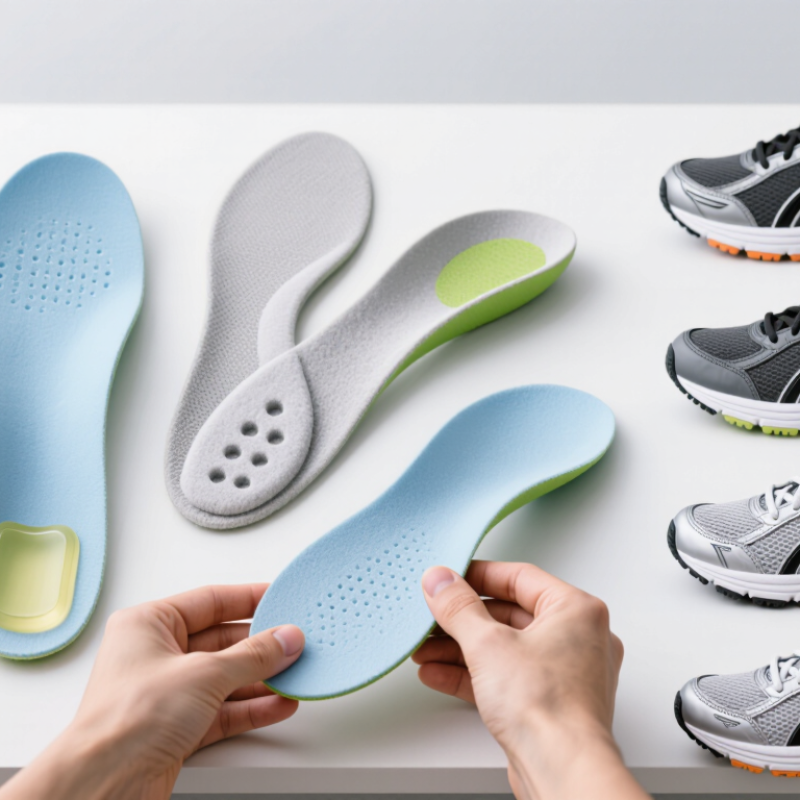
How to Choose the Best Foot Support Insoles in 2026?

Understanding Foot Support Insoles and Their Purpose

How to Choose the Best Foot Support Insoles in 2026?

Foot support insoles are removable inserts placed inside shoes to influence comfort, pressure, and movement. Their purpose is not to reshape the entire foot. They can cushion sensitive areas, support the arch, and reduce uneven loading during walking or standing. A useful insole should match your foot, activity, and shoe shape. A soft design may feel pleasant at first, but it may compress quickly under daily use. A firmer design can feel stable, yet uncomfortable if it presses the arch too strongly. Comfort matters.

Your symptoms offer important clues. Heel discomfort may benefit from cushioning and gentle support. Tired arches may need a contoured structure, but excessive height can create new pressure. People with diabetes, reduced sensation, swelling, or ongoing pain should seek advice from a qualified healthcare professional before choosing one. Fit should be checked with the socks and shoes you normally wear. Remove the original insert if the shoe becomes cramped.

There is no perfect insole for everyone. Even careful choices may need adjustment. I once assumed more support meant better support, but that idea is too simple. The foot must still move naturally. Start with short periods, inspect your skin, and stop if numbness or sharp pain appears. Material quality, breathable surfaces, and stable heel placement also affect daily performance. A small fitting mistake can matter more than an impressive product description.

Identifying Your Foot Type, Gait, and Support Needs

How to Choose the Best Foot Support Insoles in 2026?

Your foot type is a starting point, not a final answer. A low arch may collapse during walking, while a high arch may absorb less shock. The American Podiatric Medical Association reported that 77% of surveyed adults had experienced foot pain. That figure shows why personal assessment matters. Check your shoes for uneven wear. Outer-heel wear can suggest a different gait pattern from heavy wear near the big toe. Watch your walking from behind, or record ten steps. Small details help.

Your support needs also depend on activity, symptoms, and footwear space. A cushioned insole may suit impact discomfort, but it can feel unstable inside a loose shoe. A firmer design may guide movement, yet excessive stiffness can create pressure under the arch. A 2022 systematic review in the Journal of Foot and Ankle Research found that evidence for universal arch-based prescriptions remains limited. Fit should be tested gradually. Pain that worsens is useful feedback, not a challenge to endure.

Tips: Compare both feet, since they may differ. Wear the socks used for daily activity. Test insoles for 30 minutes first. Look for redness after removal. Replace them when compression stays visible. Consider professional assessment if numbness, swelling, or persistent pain appears. Measurements are helpful, but they are not perfect. Your comfort and walking response still matter.

How to Choose the Best Foot Support Insoles in 2026? — Identifying Your Foot Type, Gait, and Support Needs

A practical, brand-neutral guide for matching insole characteristics to individual foot structure, movement patterns, and daily activities.

Assessment Area How to Identify It Common Finding Potential Insole Characteristics Fit and Comfort Check
Low or flexible arch The arch appears low when standing and rises noticeably when the foot is unloaded or when standing on tiptoe. The foot may roll inward during walking, although a low arch does not automatically indicate a problem. A contoured arch that provides moderate guidance without aggressively pushing into the arch; stable heel support may also help. The arch contact should feel supportive rather than sharp, numb, or painful. Start with short wear periods.
Medium or neutral arch The footprint shows a moderate connection between the heel and forefoot, with a visible but not extreme waist. Weight is often distributed relatively evenly across the heel, midfoot, and forefoot. Moderate contour, balanced cushioning, and a stable heel cup are usually suitable starting points. The insole should not reduce shoe space or create pressure under the arch or toes.
High or rigid arch The footprint shows little midfoot contact, and the arch changes only slightly between sitting and standing. More pressure may be concentrated under the heel and forefoot because the foot may absorb less impact naturally. Cushioning, shock dispersion, and a smoothly shaped arch transition may be more important than firm arch correction. Avoid hard edges or a rigid arch prominence that causes localized pressure or tingling.
Neutral gait Shoe wear is relatively even, and the foot rolls slightly inward after heel contact without excessive collapse. The heel, midfoot, and forefoot generally move in a coordinated pattern. Prioritize comfort, appropriate cushioning, a secure heel cup, and enough forefoot flexibility. The insole should improve comfort without noticeably changing the natural walking motion.
Overpronation tendency The ankle and foot roll inward noticeably; the inner edge of the shoe may show greater wear. A video assessment is more reliable than shoe wear alone. The arch may flatten during weight-bearing, but symptoms and severity vary between individuals. A stable heel cup and moderate, gradual guidance may be useful; avoid assuming that maximum correction is best. Check that the foot remains centered and that the insole does not create discomfort along the arch or inside ankle.
Supination tendency The outer edge of the heel or forefoot may show more wear, and the foot may appear to roll outward during movement. Impact may be concentrated on the lateral border of the foot, especially with a high or rigid arch. Cushioning, shock absorption, and a smooth full-length platform may be preferable to aggressive stabilizing wedges. The insole should not tilt the foot farther outward or make the outer border feel unstable.
Heel discomfort Pain or tenderness is felt beneath or around the heel, particularly after standing or walking. The issue may involve impact load, plantar tissues, footwear, activity changes, or several factors together. A cushioned heel area, stable heel cup, and pressure distribution may improve comfort for some users. The heel should sit securely without sliding. Persistent or worsening pain requires professional assessment.
Forefoot pressure or fatigue Discomfort, burning, or fatigue is concentrated beneath the ball of the foot or toes. Tight footwear, prolonged standing, high-impact activity, or uneven load distribution may contribute. Adequate forefoot cushioning and a wide enough toe box may help; a metatarsal pad must be positioned behind, not directly under, the sensitive area. Toes must lie flat and move freely. Stop using the insole if burning, numbness, or sharp pain increases.
Long standing or walking The primary demand is extended time on hard surfaces rather than short bursts of intense activity. Foot fatigue often develops gradually as cushioning and muscle endurance are challenged. Balanced cushioning, breathable materials, stable heel control, and durable full-length coverage are practical priorities. The shoe should still have approximately a thumb’s width of toe room and no pressure points after extended wear.
Running or high-impact exercise The insole is used for repetitive impact, rapid foot transitions, and higher sweat exposure. Movement demands are greater, and a poor fit may cause sliding, blisters, or pressure during toe-off. Choose a secure heel cup, breathable construction, appropriate cushioning, and a shape compatible with the athletic shoe. Test gradually. The insole should not reduce toe room, alter balance, or cause new pain during acceleration or landing.
Work boots or safety footwear The shoe is rigid, protective, or worn for many hours on hard or uneven surfaces. Limited interior volume and firm outsoles can increase pressure or reduce comfort. Look for low-profile support, durable materials, moisture management, and compatibility with the boot’s safety design. Do not compromise required protective fit. Confirm that the toes are not compressed and the heel remains locked in place.
Volume and shoe compatibility Check whether the original footbed is removable and measure the available depth, width, and length. A thick insole can make a correctly sized shoe feel too tight, especially across the toes or instep. Select the correct length and a profile suited to the shoe; removable footbeds generally provide more room for replacement insoles. Remove the existing footbed when possible, align heel and toe ends, and check for wrinkles or edge lift.
Break-in and monitoring Begin with short periods and gradually increase wear while observing comfort, skin condition, and walking mechanics. Mild unfamiliar pressure may occur initially, but sharp pain, numbness, blisters, or persistent soreness are warning signs. Choose an insole that can be adjusted or returned if the fit is unsuitable and inspect it regularly for compression or deformation. Replace the insole when cushioning or structure is visibly compressed, uneven, cracked, or no longer comfortable.
Important: Arch height and shoe-wear patterns are only screening clues, not medical diagnoses. Seek evaluation from a qualified healthcare professional for persistent pain, swelling, numbness, significant asymmetry, diabetes-related foot concerns, or symptoms following an injury.

Comparing Insole Materials, Designs, and Cushioning Levels

How to Choose the Best Foot Support Insoles in 2026?

Comparing Insole Materials, Designs, and Cushioning Levels

Choosing foot support insoles starts with materials, not marketing claims. Foam feels soft and adapts quickly, but it may compress with daily use. Firm plastic or carbon-based shells offer stronger guidance and shape control. However, they can feel harsh inside rigid shoes. Cork sits between comfort and structure, changing slightly with heat and pressure. Every material has limits.

Design matters as much as material. A deep heel cup can reduce unwanted foot movement, while a contoured arch may improve pressure distribution. Yet, an aggressive arch is not automatically better. Your foot shape, walking pattern, and footwear space should guide the decision. A qualified podiatrist or physical therapist can assess these details, especially when pain persists.

Tips: Match cushioning to activity. Choose moderate cushioning for long work shifts and firmer support for hiking or sport. Check whether your toes can move freely. Replace insoles when the heel padding stays visibly compressed. Test them gradually, perhaps for one hour at first. Comfort should improve, not create new pressure points. I have found that “maximum support” often sounds convincing but can be excessive. The right choice is sometimes less dramatic. Even small discomfort deserves attention.

Matching Insoles to Different Shoes and Daily Activities

Choosing foot support insoles in 2026 means matching them to your shoes and routines, not simply choosing the thickest pair. A running shoe usually has enough depth for cushioned insoles, while slim office shoes may need a low-profile design. Check the original insole first. If it lifts out, use it as a size template.

For daily walking, look for moderate arch support, a stable heel cup, and breathable material. Your heel should feel centered, not squeezed. Long hours on hard floors may require firmer cushioning, especially in work shoes or safety footwear. However, extra softness is not always better. A very soft insole can make my feet feel tired after several hours.

Different activities create different demands. Hiking shoes benefit from durable support and a secure heel fit. Casual sneakers may need flexible cushioning for short errands. In flat shoes, a full-length insole can crowd the toes, so a three-quarter option may work better. Try new insoles gradually, starting with one or two hours. Stop if you notice sharp pain, numbness, or persistent pressure. I once ignored mild heel rubbing and created a blister before a long walk. That was avoidable.

People with diabetes, significant foot pain, or previous injuries should seek advice from a qualified healthcare professional. A specialist can assess gait, footwear, and pressure points instead of guessing from arch shape alone. Even expert recommendations may need adjustment after real-world use.

Testing, Maintaining, and Replacing Foot Support Insoles

How to Choose the Best Foot Support Insoles in 2026?

Testing, Maintaining, and Replacing Foot Support Insoles

A good insole should support your foot without forcing it into a new shape. The American Podiatric Medical Association reported that 77% of surveyed adults had experienced foot pain. That figure shows why fit deserves careful attention. Start with a short indoor trial. Walk on a firm floor for 15 minutes. Check your heel, arch, and forefoot for pressure, numbness, or rubbing. Comfort matters, but it is not proof of correct support. I still make this mistake.

Compare both feet. They may differ slightly in length or arch height. Your shoes should hold the insole flat, without bending its edges. A 2023 review in the Journal of Foot and Ankle Research linked appropriate foot orthoses with changes in comfort and function, but results varied between users. That uncertainty matters. If pain increases, stop testing and seek advice from a qualified podiatry professional. Do not trim the insole repeatedly to fix a poor fit.

Tips: Rotate two pairs when possible. Air them after exercise. Wipe washable surfaces with mild soap, then dry them fully. Inspect the heel cup, foam, and top layer every month. Replace insoles when cushioning stays compressed, the surface tears, or symptoms return. Heavy daily use may require replacement sooner than occasional use. Keep the date on a small label. It helps, although memory is unreliable.

Replacement timing depends on how often and how intensely the insoles are used. As a practical starting point, occasional users may replace insoles about every 12 months, daily users about every 6 months, and people exposed to frequent running, standing, or high-impact activity about every 3 months. Replace them sooner if cushioning feels compressed, the heel cup is distorted, the surface becomes uneven, or pain returns.