Blog

Why Choose a Bed Side Cabinet for Your Bedroom?

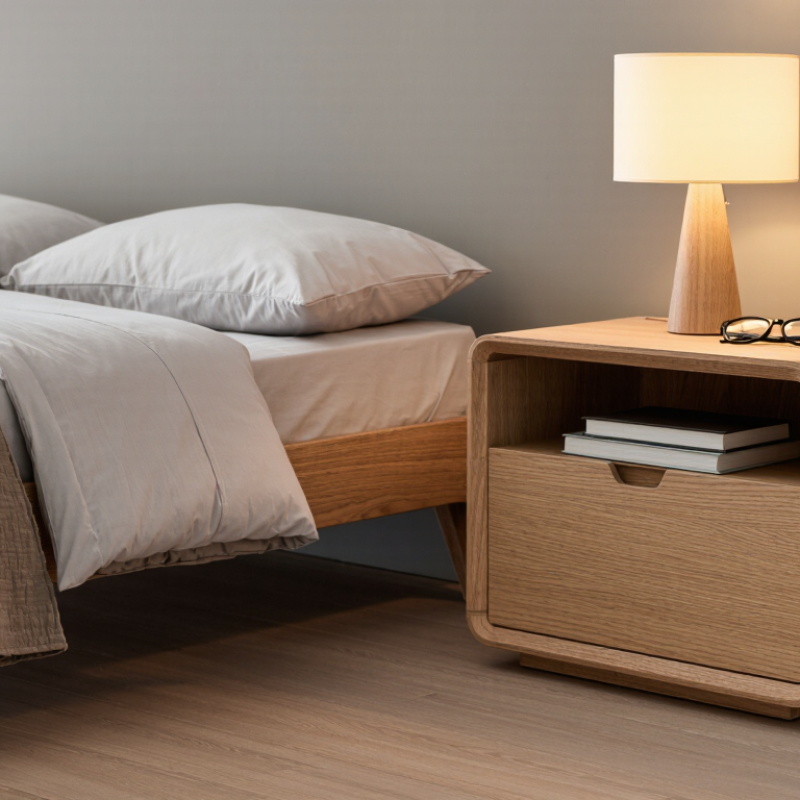
A bedroom often feels unfinished when the space beside the bed remains empty. A Bed Side Cabinet creates a practical landing place for a lamp, glasses, books, and a phone. It also keeps essential items within reach, reducing the need to stretch or walk across the room at night. That small convenience can make bedtime calmer and mornings less hurried.

From a furniture planning perspective, the best cabinet balances storage, proportion, and movement. Its height should sit close to the mattress, allowing comfortable access without bending awkwardly. Drawers can hide medicines, cables, or personal items, while an open shelf keeps reading materials visible. A sturdy surface also supports a warm lamp, which may provide softer lighting than a bright ceiling fixture.

Details matter.

I have found that a cabinet with rounded edges feels safer in narrow bedrooms. A stable base matters too, especially on uneven flooring. Materials such as treated wood, metal, or engineered panels can offer dependable daily performance when properly maintained. Still, a Bed Side Cabinet is not a miracle solution. An oversized design may crowd the walkway, while a tiny model may become cluttered quickly. Choosing the right piece requires honest attention to room dimensions, storage habits, and cleaning routines. Expert furniture guidance can help, but personal use remains the final test. The ideal cabinet should support your routine quietly, without demanding attention. That is its real value.
Why Choose a Bed Side Cabinet for Your Bedroom?

What Is a Bedside Cabinet and What Purpose Does It Serve?

A bedside cabinet is a compact piece of furniture placed beside a bed, usually with a flat top and one or more drawers or shelves. Its main purpose is to keep everyday items within easy reach. A glass of water, reading glasses, a book, or a phone can sit on top instead of the floor. Useful, especially in a dark room. A drawer can hold small personal items, while an open shelf makes frequently used things easy to grab. The cabinet also provides a steady surface for a lamp, helping keep light close without cluttering the bed.

The right design depends on the room and your habits. Measure the space beside the bed and check that the cabinet top sits near mattress height; reaching too high or low can feel awkward. Consider drawers if you want a tidier look, or shelves if you prefer quick access. A sturdy cabinet with smooth-running drawers is generally more practical than one chosen for appearance alone. Still, a bedside cabinet is not essential in every bedroom, and a bulky one can make a narrow walkway feel cramped. Leave enough room to move comfortably, even if that means choosing a smaller model.

How a Bedside Cabinet Improves Bedroom Organization

A bedside cabinet keeps frequently used items within reach without spreading them across the bed or floor. A small top surface can hold a reading lamp, glasses, and a glass of water, while a drawer hides items that otherwise create visual clutter. Measure the space beside your bed before choosing one. A cabinet that blocks a walkway can make a tidy room feel cramped. Keep it simple.

Organization works best when each area has a clear purpose. Store books or a sleep mask in the top drawer, and place spare chargers or hand cream in a lower compartment. Use a small tray to group loose items on the surface, so keys and jewelry do not drift into corners. Leave some space empty. A completely packed drawer is harder to use, even if everything technically fits. If clutter returns after a few days, the cabinet may be holding items you rarely need at bedtime. Review its contents now and then, and move those items elsewhere. The right setup is personal, and it may take a few small adjustments to feel natural.

Key Features to Consider When Choosing a Bedside Cabinet

A bedside cabinet should fit the way you use your bedroom, not just match the bed. Measure the space beside the mattress, including the path you walk at night. Leave enough room to open drawers without hitting a wall or bed frame. A cabinet that looks compact in a showroom may feel bulky in a narrow room. Check its height, too: the top should sit close to mattress level, so a lamp, book, or glass of water is easy to reach. Small details matter.

Think about storage before choosing a style. A drawer keeps chargers, medicine, and reading glasses out of sight, while an open shelf makes frequently used items easy to grab. Check drawer depth and how smoothly it opens. If you keep a phone nearby, look for a cable opening or leave space behind the cabinet for the plug. Sturdy construction helps prevent wobbling when you pull a drawer. Solid wood can be durable, but it may cost more and feel heavy to move. Good enough matters. Consider cleaning as well: raised legs make it easier to sweep underneath, while glossy surfaces can show fingerprints. I would not choose a cabinet by appearance alone; the perfect-looking option can still frustrate you every night.

Why Choose a Bedside Cabinet?

A bedside cabinet keeps everyday essentials within reach and adds useful storage. When choosing one, consider how its dimensions fit your bed and available floor space.

Typical planning guide: around 40 cm wide, 35 cm deep, and 55 cm high. These are approximate midpoints of commonly encountered bedside-cabinet dimensions, not fixed standards. Choose a height close to your mattress top for convenient access.

Which Materials and Styles Suit Different Bedroom Designs?

A bed side cabinet should feel connected to the room, not simply match the bed. In a warm, natural bedroom, solid wood or a well-made wood veneer brings visible grain and a softer feel. Oak suits pale walls and linen bedding, while darker walnut can anchor a room with cream or muted green tones. Wood can mark or fade in strong sunlight, though, so consider where the cabinet will sit. It is easy to overlook that detail.

For a modern bedroom, metal or painted finishes create a cleaner outline. A slim black frame works well beside a low platform bed, while a matte white cabinet can keep a small room feeling open. Choose drawers for chargers, books, and other items you would rather keep out of sight. An open shelf feels lighter, but clutter shows quickly. Practical, yes. Always attractive? Not quite.

Style matters as much as material. Traditional rooms often suit cabinets with turned legs or simple panel fronts; Scandinavian spaces tend to look balanced with pale wood and minimal hardware. In a compact bedroom, check the cabinet’s height against the mattress and leave enough room for drawers to open. A beautiful piece can still be awkward at arm’s reach. Consider the floor, too: heavy cabinets may need felt pads to prevent scratches, especially on timber.

Why Choose a Bed Side Cabinet for Your Bedroom? — Which Materials and Styles Suit Different Bedroom Designs?

Compare common bedside cabinet materials and styles by their practical benefits, care needs, and suitability for different bedroom designs.

Material or style Typical features Bedroom designs it suits Advantages Care and considerations Why choose a bedside cabinet?
Solid wood Natural grain; commonly made from oak, maple, pine, or walnut; finishes range from clear coats to paint. Traditional, farmhouse, rustic, Scandinavian, and transitional rooms. Distinctive grain, sturdy construction, and the option to refinish some surfaces. Wipe spills promptly; protect from prolonged moisture and direct sunlight. Wood can expand or contract with humidity. Offers a durable place for a lamp, book, glasses, and other bedtime essentials.
Engineered wood with veneer or laminate A manufactured wood core with a thin wood veneer or decorative laminate surface. Contemporary, minimalist, and budget-conscious bedrooms. A wide choice of finishes and consistent appearance; often lighter or less costly than comparable solid-wood furniture. Use a soft, slightly damp cloth; avoid soaking edges, which may be more vulnerable to moisture. Provides useful enclosed storage and a coordinated surface without requiring a large furniture budget.
Metal Steel or iron construction; may have a painted, powder-coated, or plated finish. Industrial, modern, and loft-style bedrooms. A crisp, streamlined look; many designs have open frames that keep a room visually light. Dust regularly and dry the surface after cleaning. Check the finish for chips, especially in humid environments. A compact option for keeping frequently used items close at hand, often with a sturdy top.
Glass and metal A glass top or shelves paired with a metal frame; glass may be clear, tinted, or textured. Modern, glamorous, and small bedrooms where a visually open look is preferred. Reflects light and can make furniture appear less bulky than a solid-sided cabinet. Clean glass to remove fingerprints; confirm that shelves are securely supported and avoid hard impacts. Adds a convenient landing surface while helping preserve a light, uncluttered appearance.
Rattan or woven-front cabinet A cabinet with woven natural or synthetic panels, often combined with a wood frame. Bohemian, coastal, relaxed, and nature-inspired bedrooms. Adds texture and a handcrafted look; woven fronts can soften the appearance of a room. Dust crevices with a soft brush or vacuum attachment. Keep natural fibers dry and away from excessive moisture. Combines bedside storage with tactile detail that complements natural textiles and finishes.
Minimalist, handle-free Simple shapes, flat fronts, and discreet or push-to-open hardware. Contemporary, Scandinavian, and uncluttered interiors. Clean lines make it easy to pair with restrained decor and other simple furnishings. Fingerprints may show on some finishes; check that drawers open comfortably in the available space. Keeps everyday items contained, helping the bedside area feel orderly.
Traditional, drawer-front design Often features framed drawer fronts, visible hardware, and decorative detailing. Classic, traditional, and formal bedrooms. Provides concealed storage and can echo details found in other bedroom furniture. Allow enough clearance for drawers to open fully; check hardware and drawer runners periodically. Keeps personal items out of sight while leaving the top available for a bedside lamp or clock.

Selection tip: Measure the space beside the bed, including room for drawers or doors to open. A cabinet with a top near mattress height is generally convenient for reaching everyday items; choose dimensions that suit the bed and the available clearance.

How to Select the Right Size, Placement, and Storage Options

Why Choose a Bed Side Cabinet for Your Bedroom?

A bedside cabinet keeps a lamp, book, and water within reach, while giving small essentials a dedicated home. Choose its height to match your mattress, or sit slightly below it, so you can reach items comfortably without stretching. Measure the available floor space before buying. A wide cabinet can crowd a narrow room, even when it looks perfect online.

Placement matters as much as size. Leave enough room to open drawers fully and walk past the bed without catching your hip. The U.S. Access Board’s ADA Standards specify a 36-inch minimum clear width for accessible routes; that is an accessibility benchmark, not a universal bedroom requirement. In a compact room, even a few extra inches of clearance can make daily movement feel easier. Check the cabinet against the bed frame and nearby doors, too.