
Why Are Resin Insects Popular With Global Buyers?
Resin Insects have moved from niche craft displays into homes, classrooms, gift shops, and collector cabinets worldwide. Their appeal is easy to see. A resin beetle can show metallic wing covers, fine legs, and tiny antennae beneath a clear surface. Buyers can study these details without handling a fragile specimen. The object feels scientific, decorative, and surprisingly personal.
Dr. Amelia Hart, a resin-insect conservation educator, says, “The best pieces preserve curiosity, not just appearance.” Her observation explains why experienced buyers examine more than color. They check clarity, bubble control, species information, curing quality, and the maker’s handling process. Reliable sellers provide accurate labels and explain whether specimens are ethically sourced or synthetic. They also avoid exaggerated claims about rarity or scientific value.
The market is not perfect. Some products look attractive but hide cloudy resin, weak mounts, or careless finishing. A bright surface cannot replace trustworthy information. Buyers increasingly want visible craftsmanship, stable materials, and packaging that protects delicate legs during shipping. They may also compare photographs with the delivered piece, since lighting can make wings appear more vivid than they are.
This balance makes Resin Insects interesting for global customers. They offer a small window into nature, fixed inside a durable display form. Yet preservation can flatten movement and context. That limitation deserves attention. Popularity should not remove responsibility. The strongest products combine visual beauty, practical expertise, honest descriptions, and respect for insects as living creatures.
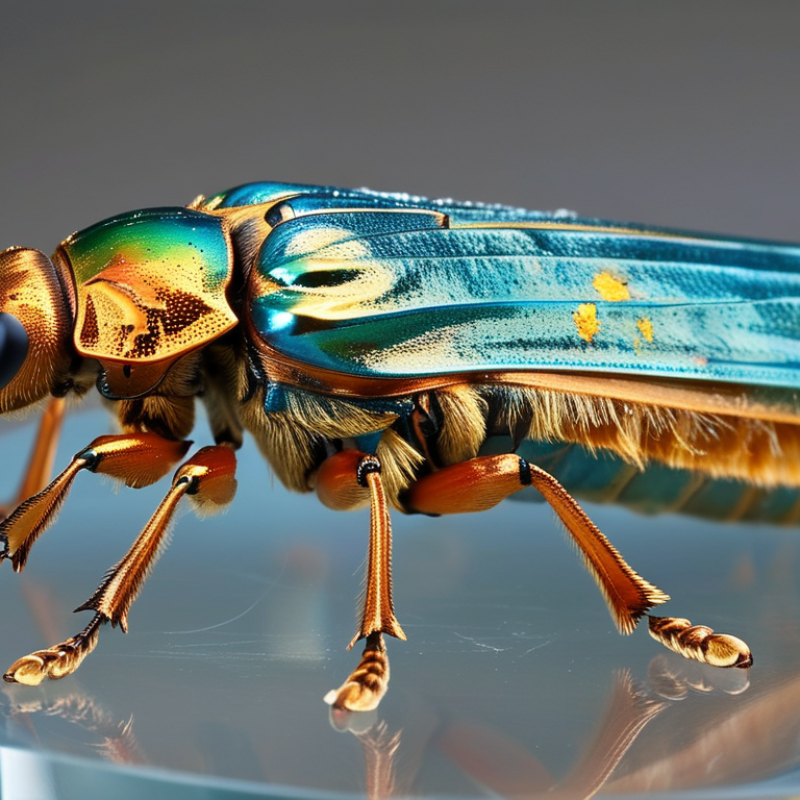
Table of Contents [Hide]
What Are Resin Insects and How Are They Made?
Resin insects are preserved insect specimens enclosed in clear, cured resin. They are not living organisms or plastic imitations. Makers often select naturally deceased specimens and examine their wings, legs, and antennae. Moisture is a serious problem. It can create cloudiness, bubbles, or internal decay. In workshop practice, patience matters more than speed. A rushed pour can destroy fragile details.
The maker first dries the specimen and positions it inside a silicone mold. Two liquid resin components are measured carefully, then mixed slowly to reduce air bubbles. The insect is usually covered with a thin first layer. After partial curing, more resin is added around the body. Some workshops use vacuum or pressure equipment for cleaner results. The block then cures for many hours before demolding, trimming, sanding, and polishing. Heat must remain controlled. Excessive heat can discolor wings or deform delicate legs.
Grand View Research’s Epoxy Resin Market Size report estimated the global epoxy resin market at about 10.3 billion US dollars in 2023, with continued growth projected through 2030. This figure covers all epoxy applications, not insect décor specifically, but it shows the material’s broad industrial relevance. Resin quality still varies greatly. A tiny bubble may remain. A wing may shift. These imperfections are not always failures; they reveal how sensitive preservation can be. Makers should use ventilation, gloves, and accurate manufacturer instructions during casting.
Why Are Resin Insects Popular With Global Buyers? - What Are Resin Insects and How Are They Made?
| Data Dimension | Typical Information | Why It Matters to Buyers | Key Considerations |
|---|---|---|---|
| Product Definition | Resin insects are decorative or educational objects made by embedding a real insect, insect fragment, or detailed replica in a transparent casting resin. | They combine the visual detail of an insect specimen with the durability and display convenience of a solid object. | The product description should clearly state whether the specimen is real, naturally deceased, ethically sourced, or a replica. |
| Common Resin Type | Clear two-part epoxy resin is commonly used because it can cure into a transparent, rigid material. | Good transparency allows the insect's body, wings, legs, and surface details to remain visible. | Resin quality, mixing accuracy, curing conditions, and finishing technique affect clarity and long-term appearance. |
| Specimen Preparation | The specimen is typically cleaned, dried, positioned, and secured before resin is poured. | Proper preparation reduces visible debris, movement, moisture-related defects, and unwanted bubbles. | Fragile legs, antennae, wings, and scales require careful handling because they can break or detach easily. |
| Mold and Shape | Common formats include rectangular blocks, cubes, oval pieces, paperweights, keychains, pendants, and display plaques. | Different shapes serve different purposes, from tabletop display to portable gifts and educational handling pieces. | Edges should be smooth and the finished object should be free from sharp corners or exposed specimen parts. |
| Main Production Stages | Typical stages are mold preparation, resin mixing, partial pouring, specimen placement, additional pouring, bubble removal, curing, demolding, sanding, and polishing. | A controlled process helps create a clear, stable, and visually balanced product. | Exact curing time depends on resin formulation, casting thickness, temperature, and humidity. |
| Visual Appeal | Transparent resin provides a three-dimensional view and can magnify or emphasize fine anatomical features. | Detailed appearance makes the items suitable for collections, interior decoration, gifts, and science-related displays. | Cloudiness, yellowing, large bubbles, displaced specimens, and uneven surfaces can reduce perceived quality. |
| Durability | Cured epoxy resin is rigid and offers protection from ordinary handling, dust, and minor contact. | Compared with an uncovered dried specimen, the encapsulated format is easier to handle and display. | Resin can scratch, chip, or discolor when exposed to strong ultraviolet light, high heat, harsh chemicals, or impact. |
| Typical Size Range | Small pieces may be suitable for jewelry or keychains, while larger blocks are generally used for desks, shelves, museums, or classrooms. | Size affects shipping cost, display requirements, handling comfort, and the amount of visible detail. | Dimensions and weight should be stated accurately for international shipping and safe packaging. |
| Educational Value | Encapsulated specimens can show external features such as body segments, wing structure, legs, antennae, and coloration. | They can support basic observation in classrooms, nature collections, and introductory entomology displays. | They should not be presented as a substitute for professionally prepared scientific specimens or taxonomic verification. |
| Popular Insect Categories | Commonly displayed categories include beetles, butterflies, moths, grasshoppers, dragonflies, cicadas, and other insects with distinctive shapes or colors. | Insects with visible wings, strong natural coloration, or recognizable body forms tend to attract attention. | Availability and legality vary by species and country, so species identification should be handled carefully. |
| Ethical Sourcing | Responsible sourcing may involve naturally deceased specimens, regulated collection, captive breeding, or legally obtained materials. | Transparent sourcing information helps buyers assess environmental and ethical risks. | Protected species, restricted wildlife, and materials without documentation may create legal or conservation concerns. |
| International Trade Factors | Cross-border shipments may be affected by customs rules concerning insects, animal products, biological materials, resin, and packaging. | Correct documentation can reduce delays, returns, or seizure risks. | Import requirements differ by destination; buyers should verify local rules before placing an order. |
| Packaging Requirements | Protective packaging commonly includes cushioning, a rigid outer box, moisture protection, and movement control inside the parcel. | Resin blocks can be heavy and brittle at the edges, so careful packaging reduces damage during transport. | Packaging should protect against impact, abrasion, excessive heat, and direct sunlight during transit. |
| Care and Maintenance | Clean the surface with a soft, dry or slightly damp cloth and store the piece away from direct sunlight and high temperatures. | Gentle care helps preserve transparency, surface finish, and specimen visibility. | Do not use abrasive cleaners, solvents, open flames, boiling water, or rough tools on the resin surface. |
| Common Buyer Uses | Uses include home decoration, educational displays, personal collections, gifts, craft projects, jewelry, and nature-themed exhibits. | The same basic product can appeal to collectors, students, educators, tourists, and gift buyers. | Product design, size, labeling, and packaging should match the intended use. |
| Quality Inspection Points | Important checks include transparency, specimen position, bubble level, surface smoothness, edge finishing, structural integrity, and accurate description. | These factors strongly influence appearance, usability, and buyer satisfaction. | Minor natural variation may occur in real specimens, but major defects should be disclosed before purchase. |
| Reasons for Global Interest | Resin insects are lightweight relative to many display cases, visually distinctive, easy to display, and available in multiple formats. | The combination of natural detail, decorative value, and protective encapsulation makes them suitable for diverse markets. | Demand is influenced by local regulations, cultural preferences, conservation awareness, product authenticity, and shipping practicality. |